Mountain Hazards
What are Hazards?
Hazards can be anything. Something that is a hazard to one person may not be a hazard to another person. A bee sting is a huge hazard to someone who is allergic to bee stings. A hole in the ground is not a hazard to someone that notices it or at least it is an avoidable or manageable hazard.
A good way to think about hazards is to think what might go wrong on a day out and then take action to ensure that you reduce or remove that risk.
Try and approach each day out with a set of questions and consider what risk or hazard need to be managed. I cover some of the most obvious hazards and risks below but the list is not exhaustive.
Weather: Hiking and Driving
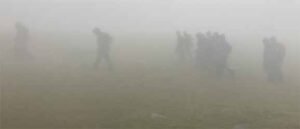
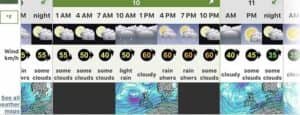
Keep an eye on a number of weather forecasts for a few days prior to your day out. Screen grab each forecast. Look at the trend over a few days. Just because there is a ‘bad forecast’ does not mean you have to stay at home. You can make alternative plans, go on a different route and have a number of options as ‘escape’ routes. Road conditions are sometimes my greatest worry when considering the weather. Driving to and from a location may well be the most dangerous thing you do all day. Have something to eat and drink before driving home.
- Too Hot? Too Cold? Too Windy? Unpredictable?
- Check the weather forecast
- Mountains create their own weather
- Have the right gear.
- Be prepared to take shelter. Have a group shelter.
- Be able to navigate at night or in poor conditions
- Have an alternative route planned
- Have an escape plan
- Match the route to your group’s experience and conditions.
- Be prepared for the forecast to be inaccurate.
Steep Ground! Is It?
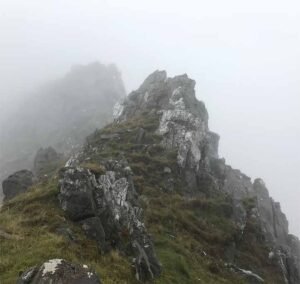
- What is steep ground?
- An experienced rock climber might consider the ground in the photo easy.
- Grade the ground according to conditions, your experience and the experience of your group
- If you have to put your hands on the ground you are scrambling
- Dont climb up anything that you can’t walk off at the top…or…
- Dont climb up anything that you can’t climb down…and…
- Dont walk/climb down anything that you can’t see a clear route all the way to the bottom
- Is the ground stable? Scree? Boulder? Will it slip or roll?
- Can someone else knock loose ground onto you?
- Wet conditions make steep ground much more hazardous
- Ropes are of no use unless you have the required skills to use them
- Having a rope may encourage you to take unnecessary risks
Equipment and Gear
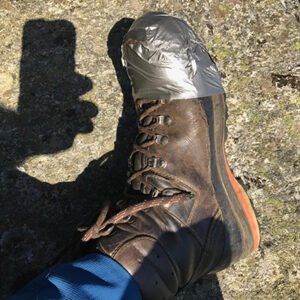
- What gear do you bring?
- Consider what you might need if you need to stop due to weather or injury
- If you have to stop during a hot day you may need more water and shelter from the sun. It might happen in Ireland someday!…if it does be prepared.
- If you have to stop during cold, wet and windy weather you need a group shelter and extra layers and a warm jacket
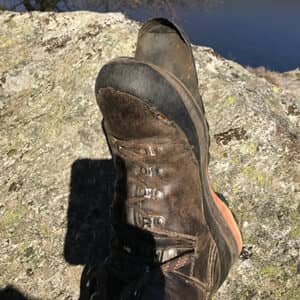
- Your boots should have a good sole that gives you plenty of grip.
- I like leather boots for Ireland
- Some people run hot, some cold. I know people that hike all year in shorts!🥶
- Shorts are great but they don’t protect you from gorse and ticks
- Have a bit of emergency gear like gaffer tape and maybe a few zip ties, very useful for repairs.
- It’s ireland so have a waterproof layer to put on. Ireland has numerous types of weather in one day.
- Consider this equipment list before you head out.
Planning
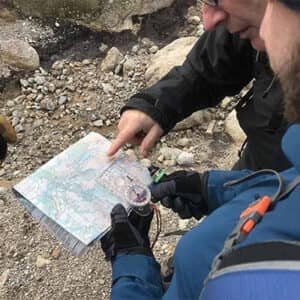
- Planning an appropriate day for your group will remove or reduce the number of hazards
- If we fail to plan we may create hazards
- By recognising something as a hazard we immediately make it less hazardous
- Being prepared is vital. Being prepared can reduce hazards or allow us to manage hazards successfully
- Remember, you are just going for a hike. You don’t have to complete it but you do have to get home safely.
- What is your skill set?
- What is the skill set of the other people in your group?
- Work your time backwards. What time do you have to be home at? How long will the drive be? So how long can the hike be?
- If you don’t plan your time properly you run the risk of rushing, being late, getting lost in the dark, making bad decisions.
- If you can’t read a map plan to follow marked trails.
- Keep your group together, move at the pace that suits the slowest person.
- Look at the weather forecast.
- Consider what might go wrong. Are you prepared for a twisted ankle? Do you have a walking pole?
Water Hazard or Photo Opportunity?
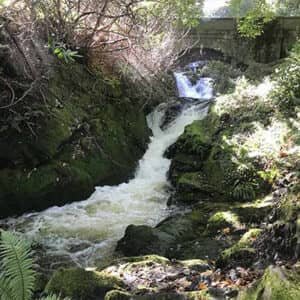
- Water. Deep. Fast Flowing. Avoid.
- Will you cross? Can you see the bottom?
- Is this amount of water expected?
- Is there a safer alternative?
- Will the water rise during the day?
- Can you get back across later?
- Is it really necessary? Use the bridge?
- Just turn back, come back another day